
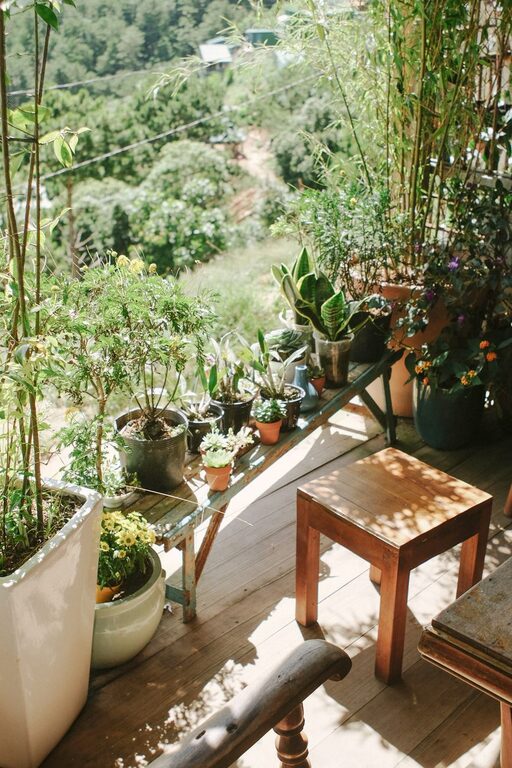
Creating a relaxing outdoor garden space at home is a wonderful way to unwind, enjoy fresh air, and reconnect with nature. Whether you have a large backyard or just a small patio, thoughtful design and simple touches can transform your outdoor area into a serene retreat. This guide will offer useful tips on planning, decorating, and maintaining a garden space that promotes calm and comfort.
Planning Your Garden Space
Before you start planting or buying garden furniture, take some time to plan your relaxing outdoor space carefully. Consider the following:
Assess Your Available Space
– Measure the area you want to convert into a garden.
– Observe sunlight patterns throughout the day to understand which spots get sun or shade.
– Take note of existing features like trees, fences, or pathways.
Determine the Purpose
Think about how you want to use the garden. Do you want a spot for quiet reading, social gatherings, yoga practice, or simply a place to enjoy nature? Your purpose will guide your design choices.
Choose a Style
Decide on the overall vibe. Do you prefer a natural, wild garden or a neatly trimmed, formal look? Styles like cottage, modern minimalist, Mediterranean, or Zen can inspire your plant and furniture choices.
Selecting Plants for a Relaxing Atmosphere
Plants play a vital role in making a garden feel calming and inviting. Here are some tips:
Opt for Low-Maintenance Plants
If you prefer less upkeep, choose hardy plants that thrive in your climate and soil type. Examples include lavender, hostas, ornamental grasses, and succulents.
Include Fragrant Plants
Aromatic plants such as jasmine, rosemary, gardenia, or mint can enhance relaxation by appealing to your sense of smell.
Use a Variety of Textures and Colors
Mix different leaf shapes, heights, and flower colors to create visual interest without overwhelming the senses.
Add Greenery for Soothing Effect
Green leaves and natural foliage help reduce stress and improve air quality. Include a mix of shrubs, ground covers, and potted plants.
Creating Comfortable Seating and Gathering Areas
A garden isn’t complete without a cozy space to sit and enjoy it.
Choose Comfortable Furniture
Select weather-resistant chairs, benches, or hammocks with cushions for comfort. Materials like teak, wicker, or metal are durable options.
Position Seating Strategically
Place seating in shaded spots or near flower beds to take advantage of the view and protection from the sun.
Incorporate Shade Structures
Use umbrellas, pergolas, or retractable awnings to provide shade and shelter from light rain.
Adding Relaxing Garden Features
Certain elements can enhance the peacefulness of your garden.
Water Features
Small fountains, birdbaths, or ponds add soothing sounds and attract wildlife.
Lighting
Soft outdoor lighting, such as string lights, lanterns, or solar lamps, creates ambiance in the evenings.
Pathways and Borders
Walkways made from stone, wood chips, or gravel encourage gentle exploration and define garden zones.
Decorative Accents
Incorporate garden sculptures, wind chimes, or colorful pots to reflect your personality.
Maintaining Your Garden for Lasting Relaxation
A well-maintained garden stays inviting and stress-free.
Regular Watering and Weeding
Keep plants healthy by watering according to their needs and removing unwanted weeds.
Seasonal Care
Prune plants during appropriate seasons and add mulch to retain soil moisture.
Clean Seating and Features
Wipe down furniture and clean water features periodically to prevent buildup.
Monitor Pests Naturally
Encourage beneficial insects and avoid harsh chemicals to maintain a balanced garden ecosystem.
Final Thoughts
Designing a relaxing outdoor garden space at home is about creating a personal sanctuary where you can recharge. By planning thoughtfully, choosing the right plants, adding comfortable seating, and incorporating peaceful features, your garden will become a cherished retreat. Remember, simplicity is key—focus on elements that bring you joy and peace for the best results. Happy gardening!