
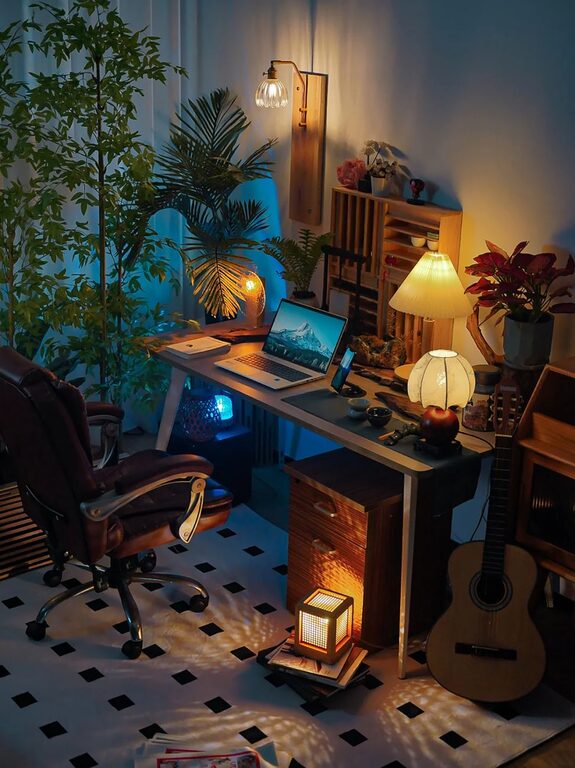
Creating a cozy and inviting home office is essential for boosting productivity and maintaining a positive mindset while working from home. A well-designed space can make a significant difference in your comfort, focus, and motivation throughout the day. Whether you have a dedicated room or a small corner, these tips will help you create a functional and welcoming office space.
Choose the Right Location
Finding the perfect spot in your home for your office is the first step. Here are some things to consider:
– Natural Light: Position your desk near a window to benefit from natural daylight. This can energize you and reduce eye strain.
– Quiet Space: Select an area with minimal distractions to help you focus during work hours.
– Ventilation: Fresh air keeps the space comfortable and prevents stuffiness.
If space is limited, even a small nook with a well-organized desk can work well.
Invest in Comfortable Furniture
Comfort is key for prolonged work sessions. Make sure you have:
– Ergonomic Chair: A supportive chair helps maintain good posture and prevents back pain.
– Desk at Proper Height: Your desk should allow your arms to rest comfortably while typing.
– Additional Seating: Consider a small couch or armchair if you have the space, perfect for reading or brainstorming breaks.
A cozy chair with soft cushions can make the room feel inviting and encourage you to spend more time there.
Use Warm and Soothing Colors
Colors influence mood and productivity. Warm, soothing tones create a calming atmosphere.
– Shades like soft beige, muted blues, greens, or pastel colors can reduce stress.
– Avoid overly bright or harsh colors that might cause fatigue or distraction.
– You can add color through painted walls, artwork, rugs, or desk accessories.
If you prefer a minimalist look, neutral tones combined with natural elements can also create warmth and comfort.
Add Personal Touches
Your home office should reflect your personality and make you feel at ease.
– Decorate with Items You Love: Photos, artwork, or souvenirs add character.
– Plants: Indoor plants improve air quality and bring a touch of nature indoors.
– Inspired Quotes: Display motivational phrases that encourage focus and positivity.
Avoid cluttering your space, but don’t hesitate to include a few meaningful items that lift your spirits.
Organize Efficiently
A tidy workspace promotes focus and reduces stress. Consider organizing strategies such as:
– Drawer Dividers and Desk Organizers: Keep pens, paper, and electronics in order.
– Shelves or Cabinets: Store documents and books neatly and out of sight.
– Cable Management: Use clips or boxes to prevent tangled cords.
Develop habits to clear your desk at the end of each day to maintain a fresh start.
Optimize Lighting
Good lighting is crucial besides natural daylight.
– Use a combination of overhead lighting and a task lamp for focused work.
– Choose bulbs with soft white light for warmth instead of harsh fluorescents.
– Adjustable lamps can help minimize screen glare and reduce eye strain.
Consider adding string lights or small lamps with warm LEDs to enhance coziness during late hours.
Incorporate Soft Textiles
Adding textiles can soften the space and make it more inviting.
– A plush area rug adds warmth and reduces noise.
– Throw blankets and cushions on chairs create a sense of comfort.
– Curtains or blinds help control natural light and add texture.
Textiles invite relaxation, making your workspace feel less clinical and more homey.
Control Room Temperature and Air Quality
Maintaining a comfortable temperature supports productivity.
– Use fans, heaters, or air purifiers as needed to keep the environment pleasant.
– Open windows regularly to circulate fresh air.
– Consider essential oil diffusers or air fresheners for a light, pleasant scent.
A cozy, well-ventilated room helps you concentrate better and feel refreshed.
Create Zones for Different Tasks
If space allows, design separate areas for various activities.
– Primary Work Zone: Desk and computer for focused work.
– Creative Zone: A small table or board for brainstorming or drawing.
– Relaxation Spot: A comfy chair or cushion area for breaks.
Designating zones lets you switch activities smoothly and maintain mental clarity.
Keep Technology Updated and User-Friendly
Good equipment saves time and frustration.
– Use reliable internet connections and updated software.
– Invest in ergonomic keyboards or mice.
– Manage screen glare with covers or position screens properly.
A smoothly functioning workspace enhances your comfort and efficiency.
—
By following these tips, you can transform any area in your home into a cozy, inviting, and productive office space. Prioritize comfort, organization, and personal style to create a space that you enjoy working in every day. Remember, your home office should support your well-being as much as your workload. Happy decorating!